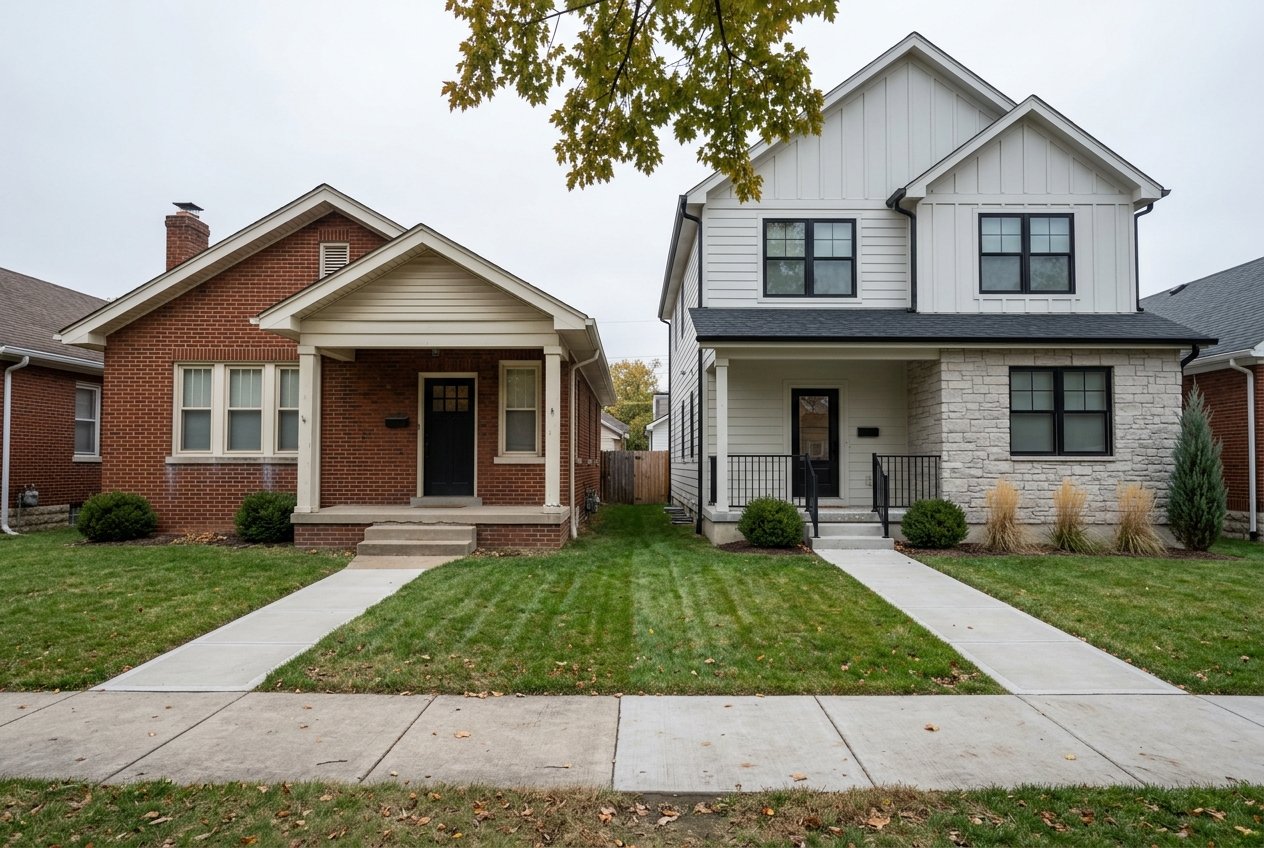
Are you drawn to the charm of a Denver Victorian, or does a newer home with a more flexible layout feel like the better fit? In central Denver, that choice is rarely just about style. It also affects how your block feels, how much review you may face for exterior changes, and what day-to-day ownership might look like. If you are weighing historic and modern homes in Denver, this guide will help you compare the tradeoffs with more confidence. Let’s dive in.
Why Denver Offers Both
Central Denver is made up of many housing eras, not one single look. According to Blueprint Denver, neighborhoods often reflect the period when they were built, and that history shapes lot size, block pattern, parking, green space, and overall density.
That is why one part of central Denver can feel full of ornate older homes, while another may offer cleaner-lined infill or mid-century forms. Denver also has several locally designated historic districts in central neighborhoods, including Baker, Alamo Placita, Curtis Park, East Seventh Avenue, Five Points, Lower Downtown, and Potter Highlands.
What Makes a Denver Home Historic
In Denver, historic usually means more than simply old. A home is generally considered historic when it is locally designated as a landmark or located within a historic district.
That designation matters because the city’s Landmark Preservation design review is tied to it. The purpose of that review is to protect the character-defining features of the property or district while still allowing change over time.
Common Historic Styles in Denver
Denver’s historic housing stock includes a wide mix of architectural styles. City landmark documents reference styles such as Queen Anne, Italianate, Eastlake, Victorian eclectic, Denver Square, Craftsman Bungalow, Tudor Revival, Mission Revival, Dutch Colonial Revival, Romanesque, French Second Empire, and Gothic Revival.
For you as a buyer, that means historic does not equal one aesthetic. A home in Baker may feel very different from one in Alamo Placita or Potter Highlands, even though both are part of Denver’s older housing story.
How Historic Neighborhoods Feel
Historic Denver neighborhoods often have a layered, established street presence. City district guidelines describe features like grid streets, alleys, narrow side yards, moderate front setbacks, larger rear yards, mature trees, porches facing the street, sandstone sidewalks, and buffer lawns.
Those details shape how a block feels as much as the house itself. In places like Alamo Placita, lots are typically about 125 feet deep and 25 to 50 feet wide, with 30- to 40-foot front setbacks and large rear yards. In Potter Highlands, the city highlights sandstone sidewalks, buffer lawns, and uniform shallow front yards.
Historic Design Details You’ll Notice
Older homes in Denver often show more visible craftsmanship and ornament. You may see brick or stone construction, wood windows, decorative porches, tall chimneys, fish-scale shingles, bargeboards, and mixed roof forms.
On the street, that usually creates a more varied and character-rich look. If you love homes that feel distinct from one another, this can be a major draw.
Variety Within Historic Districts
Even within one historic neighborhood, the housing can be surprisingly diverse. Curtis Park is a strong example because the city describes it as one of Denver’s oldest and most diverse residential areas, with Italianate, Eastlake, Queen Anne, Victorian eclectic, Romanesque, French Second Empire, Gothic Revival, Bungalow, and Denver Foursquare homes, along with modern infill and vacant lots.
If you want a neighborhood with architectural range, a historic district may offer more variety than you expect. That can be a plus if you value personality and a less uniform block-by-block experience.
What Modern Homes Mean in Denver
In Denver, modern can mean a few different things. It may refer to postwar homes like Ranch, Raised Ranch, Minimal Traditional, and Mid-Century Modern, or it may mean much newer infill construction in central neighborhoods.
The city’s Southwest Area Plan identifies several of those postwar forms, while the Denver Architecture Foundation’s Krisana Park tour describes mid-century homes with low-pitched roofs, indoor and outdoor living spaces, open floor plans, privacy-oriented design, and carports.
Newer Homes Often Prioritize Simplicity
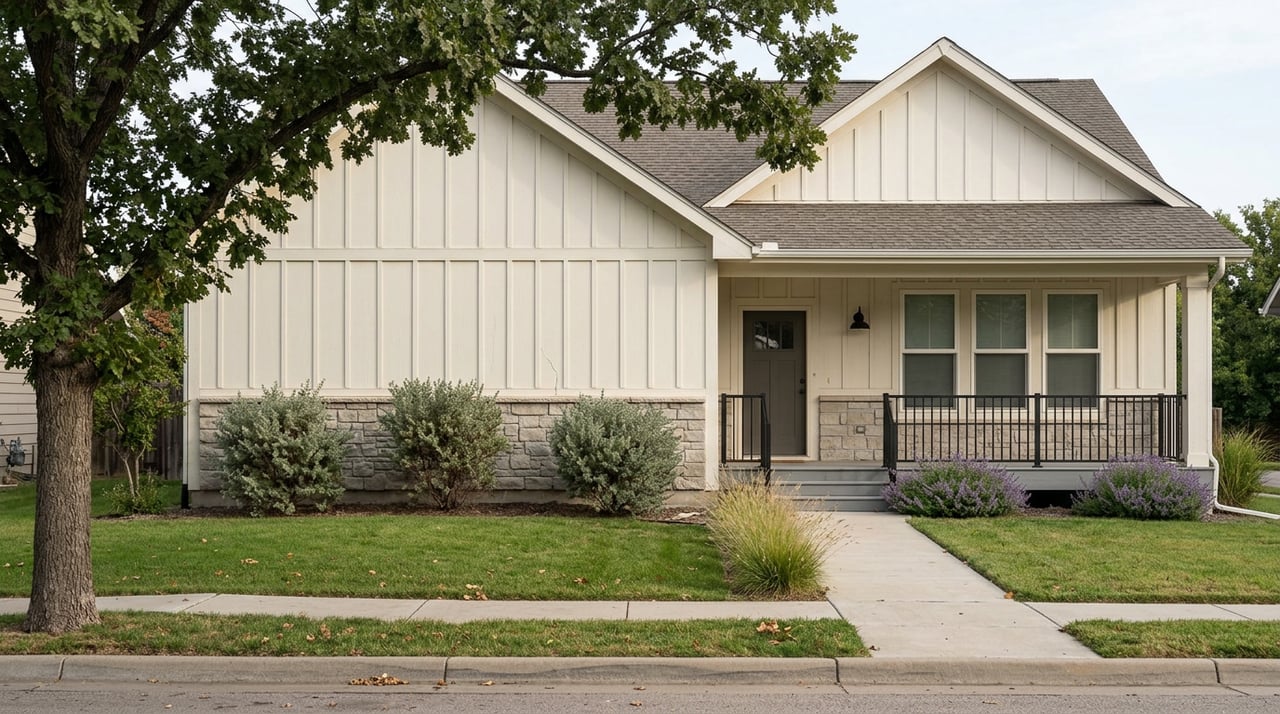
Compared with historic homes, newer homes in Denver often look simpler from the street and more adaptable inside. They are more likely to have cleaner rooflines, fewer decorative elements, larger windows, and site planning that feels more flexible.
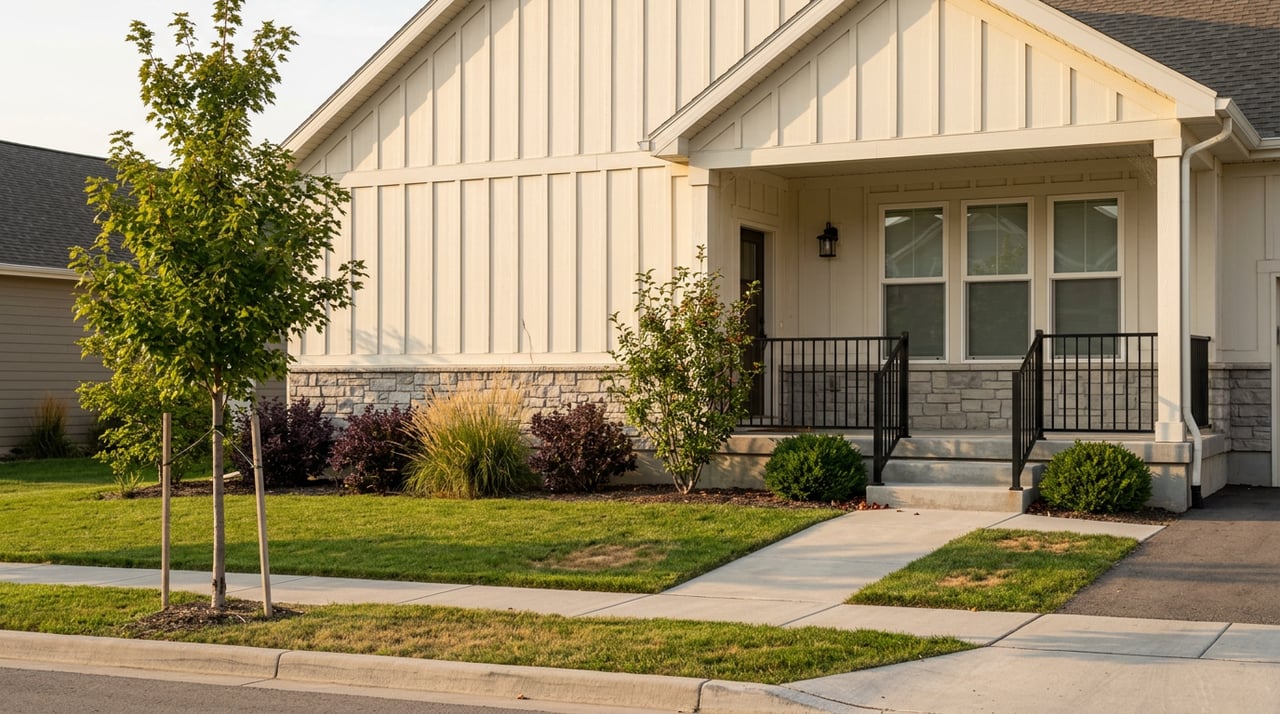
That does not mean every newer home looks the same. In central Denver, the modern option is often an infill home, townhouse, redevelopment lot, or contemporary addition placed within older neighborhood fabric.
Modern Homes in Older Areas
If you are shopping in central Denver, you may not be choosing between city and suburb. You may be choosing between an older home and a newer home on the same general grid, sometimes on the same block.
Denver’s design rules matter here too. The city reviews exterior alterations, additions, new construction, signs, and site work for landmark properties and historic districts, which is why many contemporary homes in older neighborhoods are designed to fit their surroundings rather than ignore them.
The Biggest Lifestyle Difference: Ownership Friction
For many buyers, the real question is not just what looks best. It is what kind of ownership experience fits your time, goals, and tolerance for projects.
Historic homes and modern homes often differ most when you want to change something. That can affect your plans for roofing, siding, additions, garages, and other exterior work.
Historic Homes and Design Review
Denver states that all properties within a historic district boundary are subject to design review. That includes contributing structures, non-contributing structures, and even vacant lots.
The city also says Landmark Preservation must review roof permits and other quick permits involving exterior work on an individual landmark or a building within a historic district. For roofing and siding, approval must come first. Garages in a historic district or on a landmark property also need a certificate of appropriateness.
This does not automatically mean every project is slow or difficult. Denver’s quick-permit system notes that some minor exterior work can move through Landmark quick review and is typically processed within a few business days when the work creates little to no visible change.
Newer Homes and Permit Expectations
Modern homes are not maintenance-free, but they often come with different expectations. Denver adopted the 2025 Building and Fire Codes on June 13, 2025, and the city’s code package includes the Energy Code and the Denver Green Code.
The city also states that permits are required for most construction, alteration, or repair work. Still, newer homes generally begin from a more current regulatory baseline, which can reduce near-term friction compared with older homes that may need more careful review for exterior changes.
Which Type of Home Fits You Best?
The right answer depends on how you want to live and how hands-on you want to be. In Denver, both historic and modern homes can be great options, but they often serve different priorities.
Here is a simple way to think about it:
- Historic homes often suit buyers who value original character, established streetscapes, and architectural detail.
- Historic homes may also fit buyers who are comfortable with more review steps for exterior changes.
- Modern homes often suit buyers who prioritize convenience, layout flexibility, and a simpler day-to-day ownership experience.
- Modern homes may appeal if you want a home that starts from a more current code baseline.
- Hybrid options like updated historic houses or thoughtfully designed infill can offer a strong middle ground.
A Denver Buyer’s Practical Decision Rule
If you love craftsmanship, layered streetscapes, and homes with visual history, a historic property may be worth the extra patience. If you want cleaner lines, more adaptable interiors, and fewer likely hurdles for exterior updates, a newer home may be the more practical fit.
In Denver, one of the smartest paths is often the middle option. An updated historic home or well-designed infill property can give you neighborhood character without requiring you to compromise as much on layout or convenience.
When you are comparing options, it helps to look beyond finishes and square footage. The block pattern, district status, and review rules can shape your ownership experience just as much as the home itself.
If you want help sorting through Denver’s historic districts, newer infill options, or the tradeoffs between them, Ryan Retaleato can help you narrow the search with clear, neighborhood-specific guidance.
FAQs
What is considered a historic home in Denver?
- In Denver, a home is typically considered historic when it is locally designated as a landmark or located within a designated historic district.
What Denver neighborhoods have historic districts?
- Denver’s official landmark list includes central neighborhoods such as Baker, Alamo Placita, Curtis Park, East Seventh Avenue, Five Points, Lower Downtown, and Potter Highlands with locally designated historic districts.
What styles are common in Denver historic homes?
- Common styles referenced in Denver landmark documents include Queen Anne, Italianate, Eastlake, Victorian eclectic, Denver Square, Craftsman Bungalow, Tudor Revival, Mission Revival, Dutch Colonial Revival, Romanesque, French Second Empire, and Gothic Revival.
What usually makes modern Denver homes different from historic ones?
- Newer Denver homes often have simpler rooflines, fewer decorative details, larger windows, and more flexible interior layouts, while historic homes tend to show more ornament and visible craftsmanship.
Do Denver historic homes require extra permit review?
- Yes. Denver says properties within a historic district boundary are subject to design review, and exterior work such as roofing, siding, garages, and some other changes usually requires Landmark Preservation review or approval first.
Are all repairs on Denver historic homes slow to approve?
- No. Denver’s quick-permit system says some minor exterior work that creates little to no visible change can move through Landmark quick review, often within a few business days.
What is the best middle-ground option between historic and modern homes in Denver?
- A strong hybrid option is often an updated historic house or thoughtfully designed infill that respects the surrounding block while offering more modern functionality.