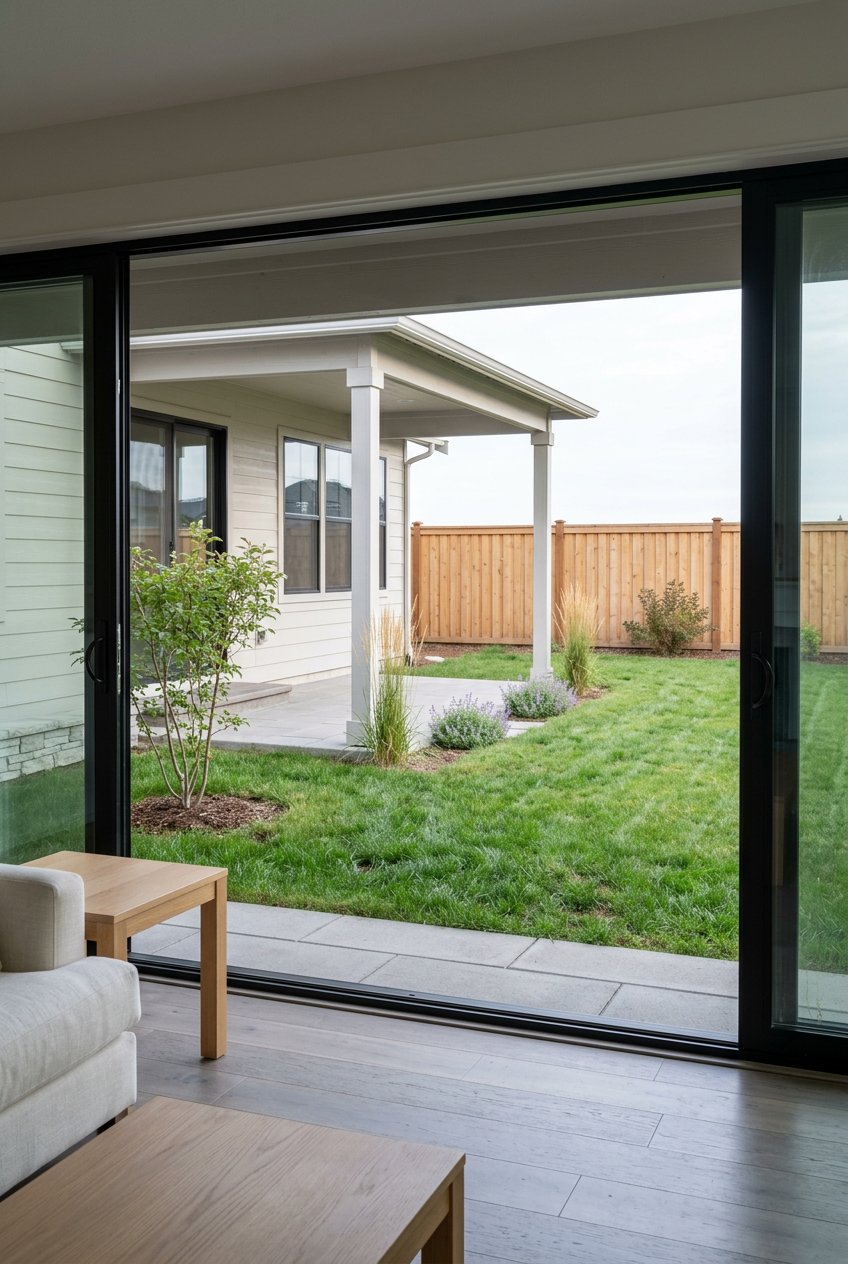
Thinking about trading your Denver address for a little more space without losing city access? Wheat Ridge might be the sweet spot you’ve been looking for. It offers a quieter, small‑city feel with more single‑family homes and usable backyards while keeping you close to downtown, the mountains, and familiar Denver amenities. In this guide, you’ll learn how housing, commute options, parks, schools, taxes, and permitting differ so you can plan a smooth move. Let’s dive in.
Why Wheat Ridge appeals to Denver movers
Location and scale
Wheat Ridge sits immediately west of Denver, with the municipal center roughly 5 miles from the Colorado State Capitol, placing you close to downtown and major corridors for easy access to work and play. You can confirm the city’s position and history in the Wheat Ridge overview. Wheat Ridge is a small city of about 32,000 people, giving it a more intimate feel than central Denver’s dense neighborhoods. For current figures, view the city profile on Census QuickFacts.
Lifestyle shift
You’ll notice a calmer residential vibe with more detached homes and yards. At the same time, you stay connected to Denver’s culture and restaurants, plus the mountain gateways along I‑70. Community parks, trails, and local events add to the neighborhood feel, so you can choose between quiet evenings at home and quick trips to nearby hotspots.
Housing: what changes when you move west
Home styles and lot sizes
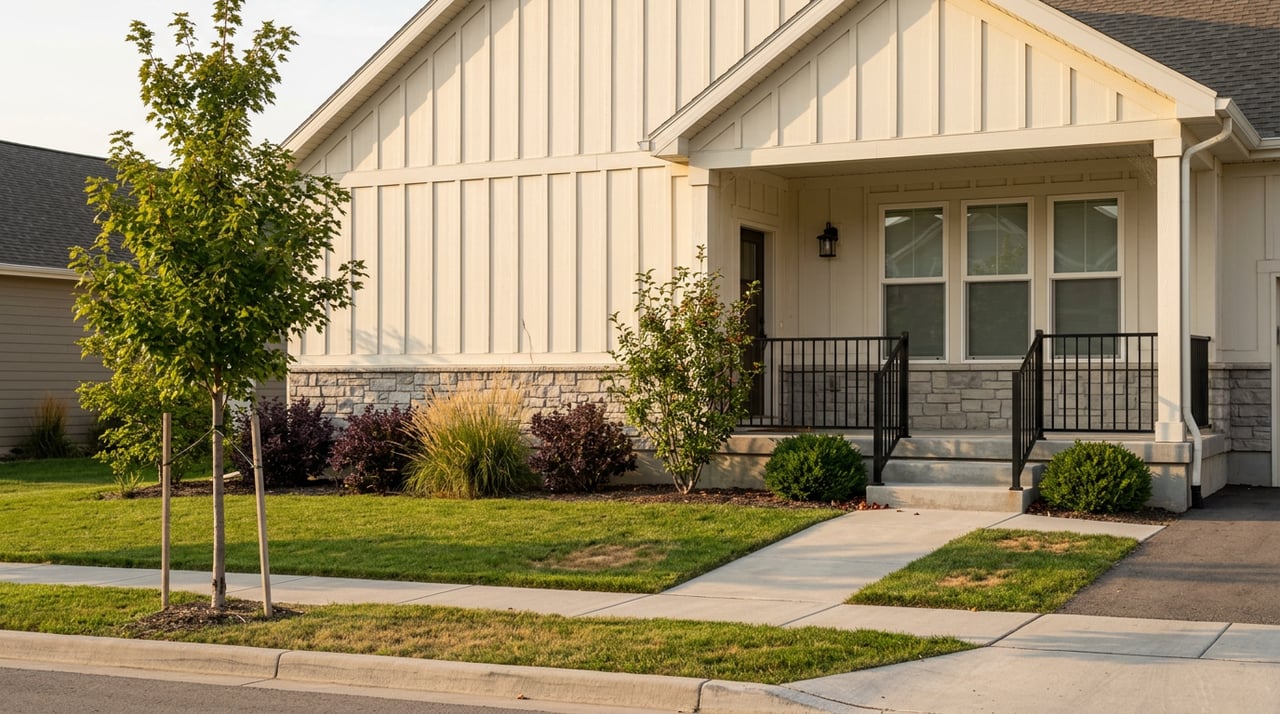
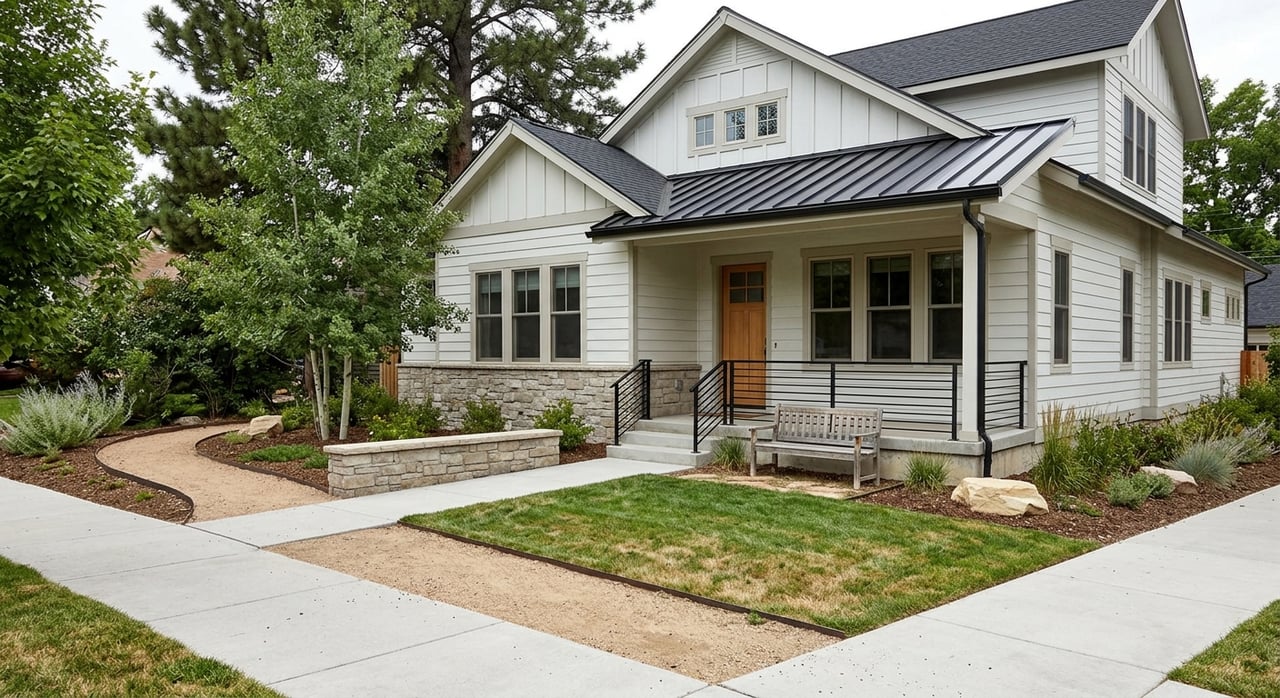
Much of Wheat Ridge’s housing stock grew during the post‑war decades, so you’ll see many ranches, bungalows, and modest split‑levels, with pockets of newer infill and townhomes near transit corridors. Compared with many inner Denver neighborhoods, you’re likely to find larger, more usable backyards and a higher share of detached single‑family homes. If lot size is a top priority, review recent sold comps and MLS lot‑size fields for your target streets and subdivisions.
Pricing signals to expect
Recent snapshots show Wheat Ridge and Denver often track in a similar price band, and month‑to‑month shifts can be meaningful. Moving a few miles west does not automatically lower your purchase price. Neighborhood and property type drive outcomes, so use current MLS data and note the date and vendor on any stat you rely on.
What your budget buys
For the same budget, a move‑up buyer may get more interior square footage and a deeper yard in Wheat Ridge compared with certain close‑in Denver neighborhoods. Exact results depend on the home you’re selling and the Wheat Ridge submarket you target. A side‑by‑side comparison of price per square foot, beds and baths, condition, and lot depth is the best way to set expectations.
Maintenance and renovation planning
A larger yard can mean more seasonal maintenance and snow clearing. Many mid‑century homes may also call for cosmetic updates or energy‑efficiency improvements over time. Factor these items into your budget so the extra space adds value without surprise costs.
Neighborhood feel, parks and everyday errands
Parks and trails
Wheat Ridge invests in parks, open space, and trails, including about 20 parks and connections into the Clear Creek greenbelt and regional paths. Recent projects like The Green at 38th add community space and programming to the heart of the city. Explore current park updates and initiatives on the city’s parks and projects news.
Groceries, dining and retail
Daily conveniences are close. The West 38th corridor and adjoining pockets host local restaurants and services, while short drives bring you to Edgewater Public Market, Sloan’s Lake, Berkeley, Highlands, and Tennyson Street. You can keep your favorite Denver spots in rotation while discovering new neighborhood staples nearby.
Community vibe and events
Expect a small‑city feel with city‑run recreation, neighborhood festivals, and park programming throughout the year. Use the city website as a hub to find seasonal event calendars and recreation offerings when you’re planning weekends and school breaks.
Commute and transit
Driving basics
Wheat Ridge sits near major corridors like I‑70 and Wadsworth, so drives to many Denver destinations are short in miles but vary with traffic. Many parts of Wheat Ridge deliver a 10 to 25 minute off‑peak drive to downtown, with longer times during rush hours. The Wheat Ridge overview provides helpful geographic context to visualize key routes.
Rail options to downtown
The Ward Station stop in Wheat Ridge anchors RTD’s Gold Line, which runs to Denver Union Station with stops through Arvada and Adams County. This gives you a reliable alternative to driving for downtown commutes and events. Check current connections and schedules on the city’s RTD G Line page.
Test your real commute
Commute times depend on your exact origin and destination. Do a live‑time test during your typical morning and evening windows, and compare it with the G Line schedule for backup. You can find schedule details through the RTD G Line page.
Schools and services to research
Public school overview
Most Wheat Ridge addresses are served by Jefferson County Public Schools. School quality and attendance boundaries vary by address, so verify for the exact home you’re considering. You can review a high‑level profile at Wheat Ridge High School’s school profile and explore performance data and boundaries via the state’s CDE SchoolView portal. Always confirm current assignments before making decisions.
Property taxes and local costs
Colorado property taxes are calculated using your assessed value multiplied by applicable mill levies for the county, school district, and special districts. Wheat Ridge properties are taxed in Jefferson County, which has its own levies compared with the City and County of Denver. Use the county and city tools to estimate your parcel’s taxes: Jefferson County’s overview is here in the Jeffco FAQ, and Denver’s payment and guidance page is at Denver Property Tax. Obtain address‑specific estimates when you compare homes.
Zoning, permitting and short‑term rentals
Wheat Ridge is a home‑rule city with its own building and permitting processes. If you plan projects like an ADU or a short‑term rental, start with the city’s zoning and building resources and confirm rules before you buy. Use the city’s site map to find “Find Your Zoning,” building permits, and development pages.
A practical move checklist
- Price check: Pull side‑by‑side MLS comps for the Denver home you’re selling and your target Wheat Ridge neighborhoods. Note the date and data source on metrics like price per square foot and days on market.
- Commute test: Drive your route during peak hours and review the G Line schedule for a transit benchmark.
- Schools: Verify attendance boundaries and review performance data via CDE SchoolView. If schools matter for your decision, confirm before you write an offer.
- Taxes: Compare parcel estimates using Jeffco’s FAQ and Denver’s property tax page. Budget for differences in mill levies.
- Yard and upkeep: Larger lots can mean more lawn care and snow removal. Set a seasonal maintenance budget or line up contractors ahead of time.
- Zoning and permits: If you want an ADU, workshop, or short‑term rental, confirm rules through the city’s zoning and permits resources before you rely on future income or expansion.
Is Wheat Ridge right for you?
If you want more space, a quieter residential setting, and easy access to Denver and the mountains, Wheat Ridge can be a smart move. You’ll often find larger yards and a strong network of parks and trails without saying goodbye to your favorite city spots. The key is to compare real comps, test your commute, and confirm schools, taxes, and zoning for the exact address you have in mind.
If you’re weighing a sale in Denver and a purchase in Wheat Ridge, let’s map your move with real data and a calm, step‑by‑step plan. Reach out to Ryan Retaleato to see what your budget can unlock and how to time the transition for the best outcome.
FAQs
What changes most when moving from Denver to Wheat Ridge housing?
- You’ll typically see more detached single‑family options and larger, more usable yards in Wheat Ridge, with many mid‑century ranches and splits and pockets of newer infill.
How long is the commute from Wheat Ridge to downtown Denver?
- Many areas offer a 10 to 25 minute off‑peak drive, with longer rush‑hour times; the Ward Station G Line provides a rail alternative to Union Station. Check the RTD G Line page for schedules.
Are property taxes higher or lower in Wheat Ridge than Denver?
- It depends on assessed value and mill levies for each address. Compare estimates using Jeffco’s tax FAQ and Denver’s property tax page for the specific parcels you’re considering.
Which public schools serve Wheat Ridge addresses?
- Most addresses fall within Jefferson County Public Schools; verify the exact school assignment for your address and review data via CDE SchoolView and the Wheat Ridge High School profile.
Will I automatically pay less for a home in Wheat Ridge than in Denver?
- Not necessarily. Price bands are often similar, and outcomes depend on the neighborhood and property type. Run MLS comps for your Denver sale and your target Wheat Ridge streets to see real tradeoffs.
Can I build an ADU or operate a short‑term rental in Wheat Ridge?
- Rules vary by zoning and change over time. Start with the city’s zoning and permits resources and confirm requirements before you buy or plan a project.
Is Wheat Ridge good for parks and trails?
- Yes. The city maintains an active parks system with access to the Clear Creek greenbelt and community spaces like The Green at 38th. See current updates on the parks and projects news.