You want to buy in Thornton, but should you target a shiny new community or an established neighborhood with mature trees and bigger yards? It is a real tradeoff, and the right choice depends on your budget, timeline, monthly costs, and how you plan to live in the home. In this guide, you will see how price, incentives, taxes, HOAs and metro districts, warranties, and resale potential play out differently in Thornton. You will also get a practical checklist to use with your agent and lender so you can compare homes with confidence. Let’s dive in.
Thornton market snapshot in 2026
Thornton offers a wide range of options across price points and product types. Vendor estimates place typical values and pricing in a tight band:
- Zillow’s average home value for Thornton was about $492,391 as of January 31, 2026.
- Redfin reported a median sale price near $490,000 in January 2026.
- Realtor.com showed a median sale price around $477,000 based on reporting through December 2025.
- Altos Research indicated a median list price near $525,000 in late February 2026.
Speed varies by segment. Zillow noted a median 42 days to pending in January 2026, while Redfin showed about 51 days on market for that same month. Use local MLS data for precise, up-to-the-week figures in your target neighborhoods.
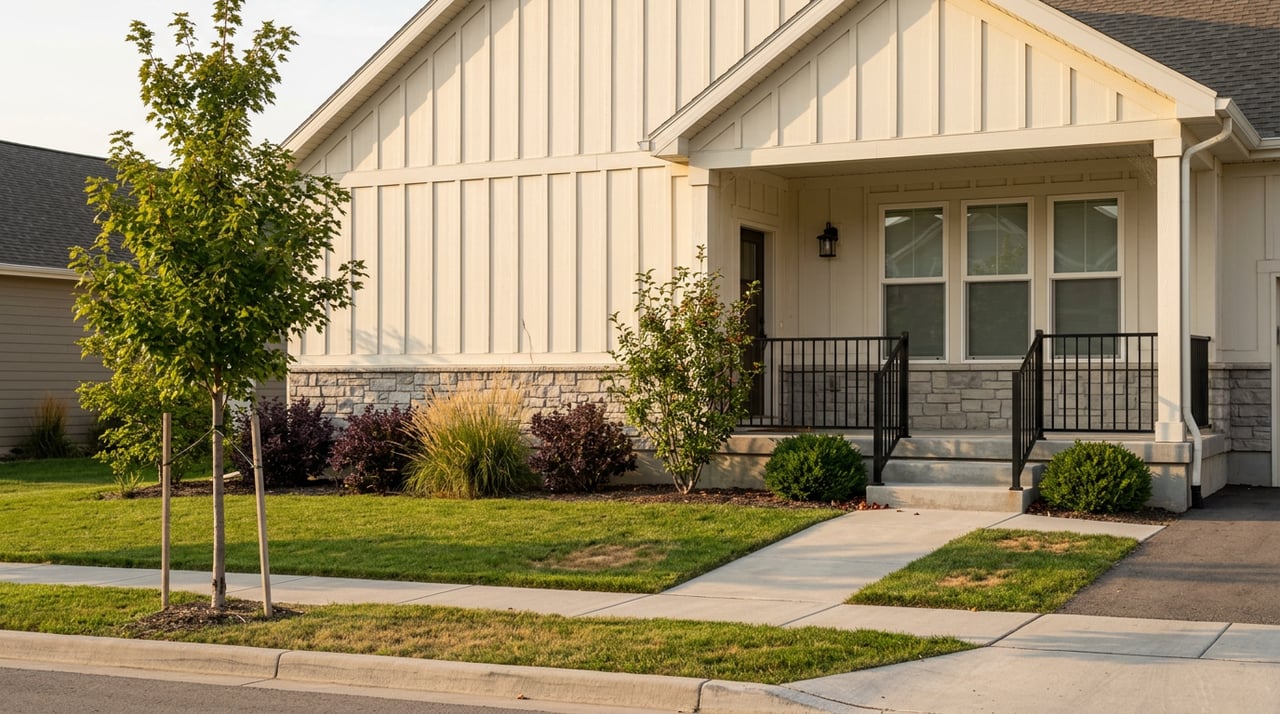
Thornton also has active new construction. National builders like Lennar and KB Home are selling in communities positioned for I‑25 and E‑470 access. Examples include Lennar’s Parterre and KB Home’s Windsong. These sites often list current floor plans, quick move‑ins, and any available community details.
New construction: what you gain
Price and incentives
New homes often start with higher base prices because they include modern finishes, energy efficiency, and builder margins. That said, builders frequently use incentives that reduce your effective cost. In 2024 and 2025, many builders offered rate buydowns, closing cost help, upgrade credits, and price adjustments on quick move‑ins, a trend that still shapes negotiations today. The Harvard Joint Center for Housing Studies 2025 report documents this incentive environment at a national level.
If you are financing, ask your lender to compare a price reduction versus using credits for a temporary buydown. Concession caps vary by loan program, and appraisers may adjust for large incentives. Your lender can show cash‑to‑close and monthly payment scenarios for both paths.
Floor plans and lot sizes
New builds in Thornton offer flexible layouts, open main floors, and integrated efficiency features. Product ranges from compact paired homes to larger single‑family options. For example, Lennar’s Parterre collections list plans from roughly 1,099 to 1,529 square feet in certain lines, and larger plans in others, with homesites that match the product type. Browse current options at Parterre to see the mix and any quick move‑ins.
HOA and metro districts
Most planned communities have HOAs governed by Colorado’s CCIOA framework. Review budgets, reserves, rules, and the timeline for control transferring from the developer to owners. For background on HOA governance and disclosures, see this overview of community association basics.
Many new subdivisions in the Denver area also sit inside metropolitan districts set up to finance roads, utilities, and amenities. These districts levy additional mills that show up on your property tax bill. Thornton has several active districts, such as the Washington 25 Metropolitan District and The Village at Dry Creek Metropolitan District. Ask for the transparency notice, current mill levies, and debt schedules, then translate those mills into a dollar impact on your annual taxes.
Builders sometimes publish example fees to help you plan. For instance, Lennar’s Parterre page shows an approximate HOA fee and an illustrative tax rate for budgeting. Confirm all figures against recorded HOA documents and the county tax roll for the specific lot.
Warranty and timeline
One advantage of new construction is warranty coverage. Many national builders use a 1‑2‑10 style structure: one year for workmanship, two for systems, and ten for structural components. Learn the basics at 2‑10 Home Buyers Warranty, then ask your builder for the actual certificate, start date, and claims process.
Colorado also has a statute of repose for construction claims that generally runs up to six years after substantial completion, with exceptions. Review the statute at C.R.S. §13‑80‑104 and make sure you understand how it aligns with the builder’s structural warranty.
Established areas: what you gain
Lot size, privacy, and character
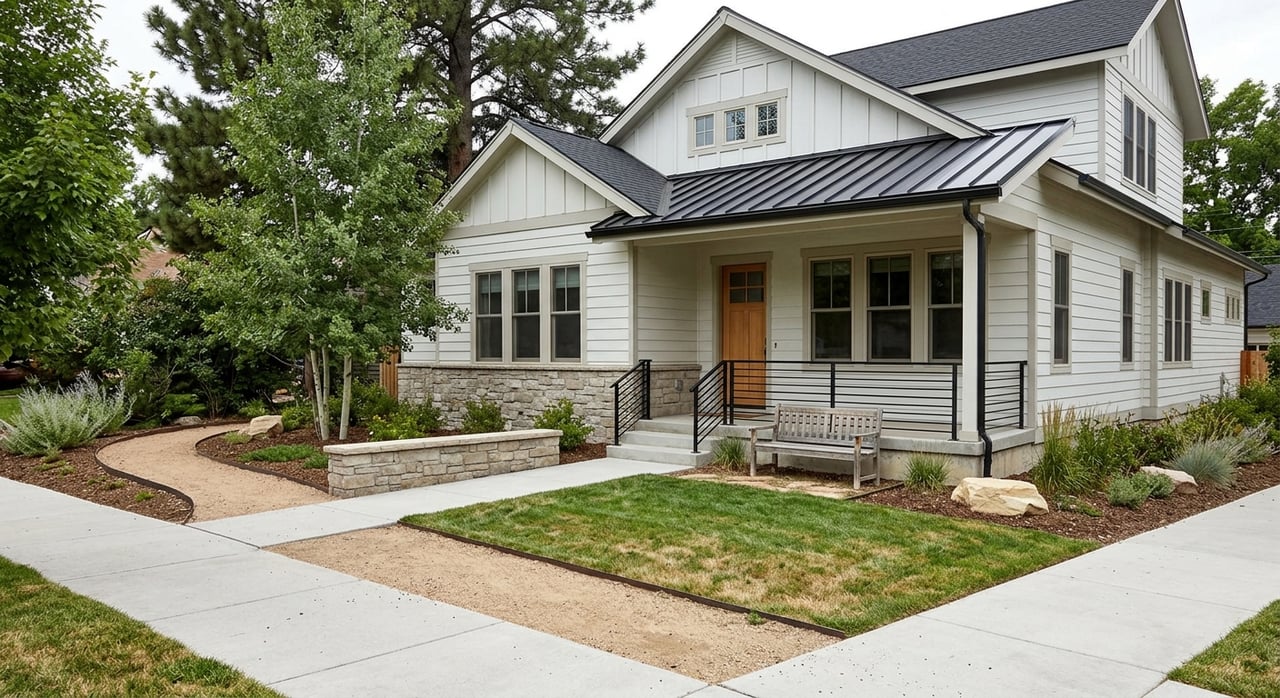
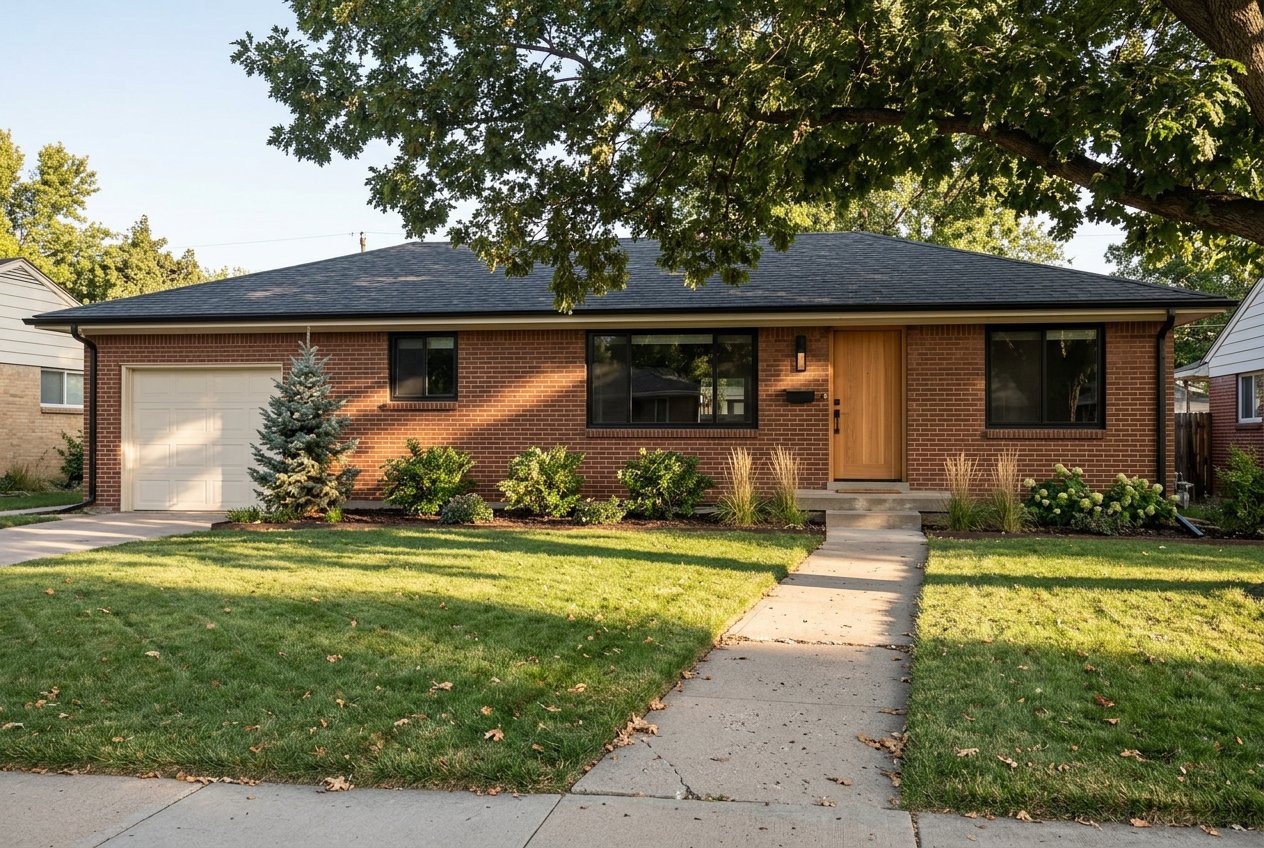
Many established Thornton neighborhoods offer mid‑to‑larger lots and mature landscaping. If you value yard space, shade, and the option to add outdoor features, older subdivisions often have the edge. Lot sizes vary by neighborhood, so use MLS data to compare actual parcels where you plan to buy. Altos Research commonly references lot ranges in the 6,500 to 8,000 square foot band in several local segments.
Taxes and governance
Older areas may have traditional HOAs or none at all, and they are less likely to sit inside new metro districts with fresh bond obligations. That can simplify your property tax picture. Still, confirm any HOA, review rules and financials, and check your parcel on the county tax site to be certain about mills and assessments.
Maintenance and upgrades
A resale home trades warranty coverage for existing condition and character. Plan for inspection, potential system updates, and ongoing maintenance. If you are considering a larger lot, ask about past additions, drainage, or easements that affect yard use. Adams County’s map tools make it easy to verify parcel lines and floodplain.
Commute, jobs, schools, and site checks
Commute and job centers
Thornton sits on the north and east side of the metro with quick access to I‑25, Quebec Street, and E‑470, which helps for commutes to downtown Denver or Denver International Airport. Community pages for new builds often highlight these routes. The broader north I‑25 corridor has seen steady industrial and logistics growth, which can support local housing demand. For context, regional reporting in the Colorado Real Estate Journal covers this trend in detail.
Schools and boundaries
Large parts of Thornton are served by Adams 12 Five Star Schools. If schools factor into your decision, verify attendance boundaries and review measures on official pages. Start with the Adams 12 Five Star Schools site.
Floodplain, utilities, and other site risks
Whether you buy new or resale, confirm site conditions before you commit. Use the county’s resources to check floodplain, recorded plats, easements, and utility notes. For a quick visual review, open the Adams County GIS maps and layer the data for your specific parcel.
Quick side‑by‑side comparison
| Factor | New construction | Established areas |
|---|---|---|
| Price and incentives | Often higher base prices, but builder credits, rate buydowns, and quick move‑in discounts can reduce your effective cost. Supported by national data from 2024–2025. | Pricing reflects condition and comps. Fewer concessions, but more price history to anchor negotiations. |
| Lot size and layout | Modern open plans; lot sizes vary by product. Examples at Parterre. | Often larger lots and mature landscaping; verify parcel size in MLS and county records. |
| HOA and metro district | Expect an HOA, and many new areas have metro district mills that affect annual taxes. Review transparency notices and mill levies. | May have an HOA or none; older areas are less likely to be inside newer metro districts. Confirm on tax records. |
| Warranty | Typical 1‑2‑10 coverage. See 2‑10 HBW. | No builder warranty; inspection and system age matter more. |
| Timeline | Quick move‑ins can close fast; to‑be‑built homes require a longer runway. | Standard resale timeline, often 30–45 days from contract to close, subject to financing and inspection. |
| Maintenance | Low near‑term maintenance; builder handles punch‑list items. | Plan for updates and ongoing upkeep; budget for systems and exterior care. |
Smart questions to ask your team
Use these prompts with your agent and lender to compare options apples‑to‑apples.
For your agent
- Show me three closed sales within 1 mile and the same price band, and include the net seller concessions on each so I can compare effective prices.
- Find recent comps with builder credits or incentives and explain how the appraiser treated them.
- Provide HOA documents, budget, reserve study, enforcement policy, and meeting minutes. When does developer control end? For background on HOA governance in Colorado, review this community association guide.
- Identify any metro district that covers the lot. Share the service plan, transparency notice, current mill levies, and debt schedule. Example district resources include The Village at Dry Creek MD and Washington 25 MD.
For your lender
- Which loan program fits this deal given builder credits? What are my seller‑concession caps with my down payment and occupancy?
- Compare three scenarios: a price reduction, a 2‑1 or 3‑2‑1 buydown, and permanent rate buydown, with cash‑to‑close and monthly payment for each.
- If the appraisal comes in low, walk me through options to renegotiate or adjust cash‑to‑close.
On‑site and inspection items
- New build: schedule an independent inspection near month 11 to capture workmanship items before the one‑year period ends. Confirm your written 1‑2‑10 warranty certificate and start date. See 2‑10 HBW’s overview.
- Resale: order a full inspection, verify roof/HVAC/foundation/windows, and request utility and tax history. If the lot is larger, ask about drainage and any recorded easements.
HOA and metro district due diligence
- HOA: request the current budget, reserves, collection history, pending or potential special assessments, dues‑increase history, and any developer‑control disclosures. Clarify what dues cover.
- Metro district: request the transparency notice, annual report, mill levies, and debt schedule. Determine the dollar impact on your property tax bill today and over time. District sites and the state’s special district compliance resources are good references.
Resale planning during negotiations
- How many spec or quick move‑ins are competing in this community and how long have they been listed?
- Where will planned amenities go, when will they be delivered, and are any tied to extra assessments?
Contract language to discuss with your agent
- Require delivery of the builder’s warranty certificate and HOA and metro district documents at contract.
- Use an appraisal contingency tailored to new‑home pricing when large concessions are included.
Local resources for your search
- Adams 12 Five Star Schools boundaries and enrollment: District homepage
- Adams County parcel, floodplain, and tax layers: GIS interactive maps
- Example metro district info and transparency: The Village at Dry Creek MD and Washington 25 MD
- New construction examples and community details: Lennar Parterre and KB Home Windsong
- New‑home warranty basics: 2‑10 Home Buyers Warranty
- Construction claim timelines in Colorado: C.R.S. §13‑80‑104
Putting it together
Here is a simple way to decide. If you want a turnkey home with the latest features, lower near‑term maintenance, and you are comfortable reviewing HOA and metro district tax details, new construction can be a great fit. Push for incentives that meaningfully lower your monthly payment or cash‑to‑close, and lock down the warranty paperwork.
If you want a bigger lot, mature landscaping, and more immediate price history to guide negotiations, established neighborhoods will likely deliver more value. Budget for updates and ask your agent to verify parcel details and any recorded easements that matter to your plans.
Either path works in Thornton. The clearest answer comes from side‑by‑side numbers: real MLS comps, your actual loan scenarios, and a careful read of HOA and metro district documents.
When you are ready, reach out for a calm, data‑driven walkthrough of both options and an efficient tour plan tailored to your price band. You will get curated neighborhood insights, vendor support, and negotiation that aligns with your goals. Connect with Ryan Retaleato to start your Thornton search.
FAQs
What are typical home prices in Thornton in early 2026?
- Vendor estimates place values in a similar range: an average value near $492,391 (Zillow, Jan 31, 2026), a median sale price around $490,000 (Redfin, Jan 2026), and a median list price near $525,000 (Altos, late Feb 2026). Always confirm with recent MLS comps for your target area.
How do metro districts affect property taxes on new homes in Thornton?
- Many new communities sit inside special districts that levy extra mills to repay infrastructure bonds. Those mills increase your annual property taxes. Ask for the district’s transparency notice, current mill levies, and debt schedule; example sites include The Village at Dry Creek MD and Washington 25 MD.
What builder incentives should I expect on new construction?
- In recent years, builders have often offered rate buydowns, closing cost credits, upgrades, or discounts on quick move‑ins. The Harvard JCHS 2025 report confirms this national pattern. Check each community’s current promotions and have your lender compare scenarios.
What does a 1‑2‑10 new‑home warranty usually cover?
- Many builders provide one year of workmanship coverage, two years for major systems, and ten years for structural components. Get the written certificate and claim instructions; see 2‑10 HBW’s overview.
How can I verify school assignments for a Thornton address?
- Start with Adams 12 Five Star Schools for boundary and enrollment resources. Confirm assignments directly with the district and review official performance information as part of your decision.