Wondering whether Old Town Louisville or one of Louisville’s newer neighborhoods fits your lifestyle better? If you are comparing charm, walkability, home style, and price, the choice can feel less obvious than it first appears. The good news is that each area offers a distinct way of living, and understanding those differences can help you narrow your search with more confidence. Let’s dive in.
Old Town Louisville at a glance
Old Town is Louisville’s historic residential area surrounding Downtown, and it carries much of the character people associate with the city. The City of Louisville describes this area as having diverse architecture and unique appeal, with Downtown serving as an 8-block pedestrian-focused mixed-use center filled with restaurants, coffee shops, boutique retail, office space, and recurring events.
If you want to feel closely connected to the town’s historic core, Old Town usually stands out first. It offers a more traditional neighborhood pattern, a more immediate connection to Downtown, and a setting that tends to feel established rather than master-planned.
Newer Louisville neighborhoods at a glance
Newer Louisville neighborhoods offer a different experience. Instead of growing from the historic street grid, many of these areas reflect planned development and redevelopment, often shaped by Planned Unit Development overlays that can modify standard zoning rules.
That planning approach has helped create a broader mix of housing types. In places tied to newer development, including North End and parts of North Louisville and Steel Ranch, you are more likely to see contemporary layouts, attached homes, and low-maintenance options alongside detached houses.
Housing style and neighborhood character
Old Town homes feel more varied
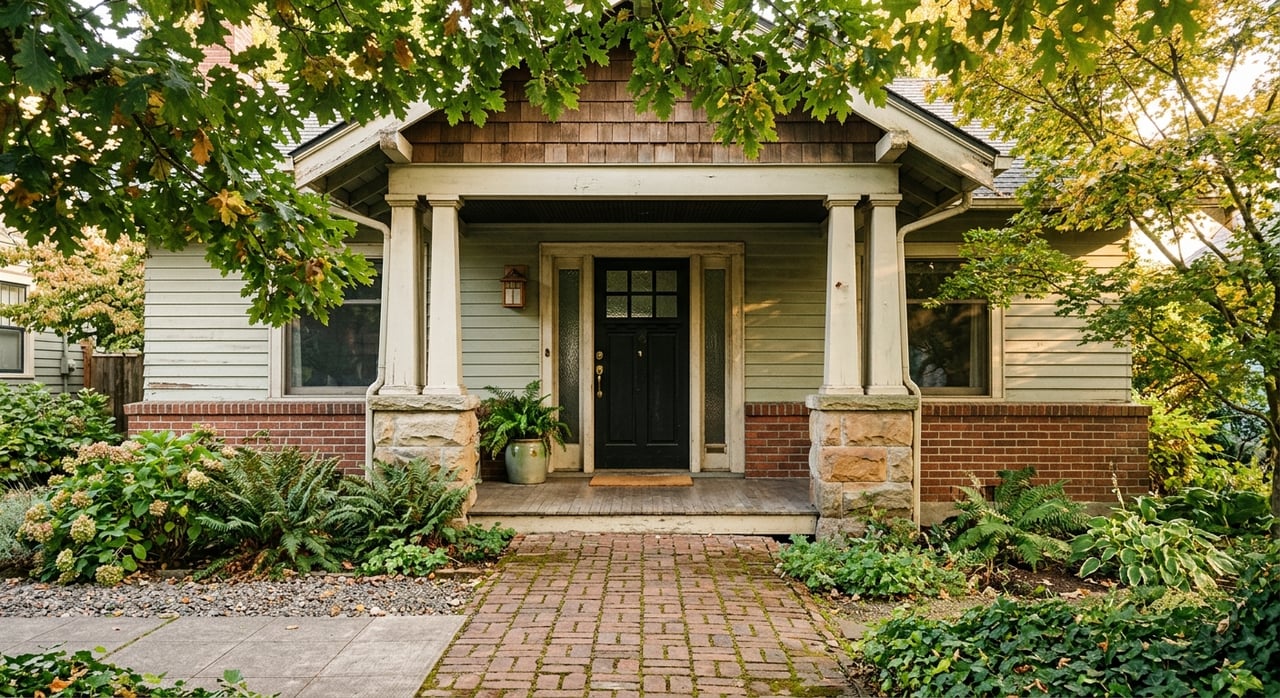
One of the clearest differences is how the homes look and sit on their lots. Old Town is not a neighborhood of uniform new construction. Instead, it tends to offer a mix of older homes, infill opportunities, and smaller-to-mid-sized lots with a more varied streetscape.
The city’s Old Town overlay also shapes what can be built there. It includes a maximum principal-building height of 27 feet, along with specific standards for roof form, lot coverage, and setbacks. Those rules help preserve a certain scale and rhythm, even as properties change over time.
Current examples reflect that variety. One Old Town listing is a 1960 single-family home on an 8,027-square-foot lot with no HOA, while another nearby home from 1984 sits on a 4,446-square-foot lot and offers easy walking access to Old Town and the recreation center.
Newer neighborhoods feel more contemporary
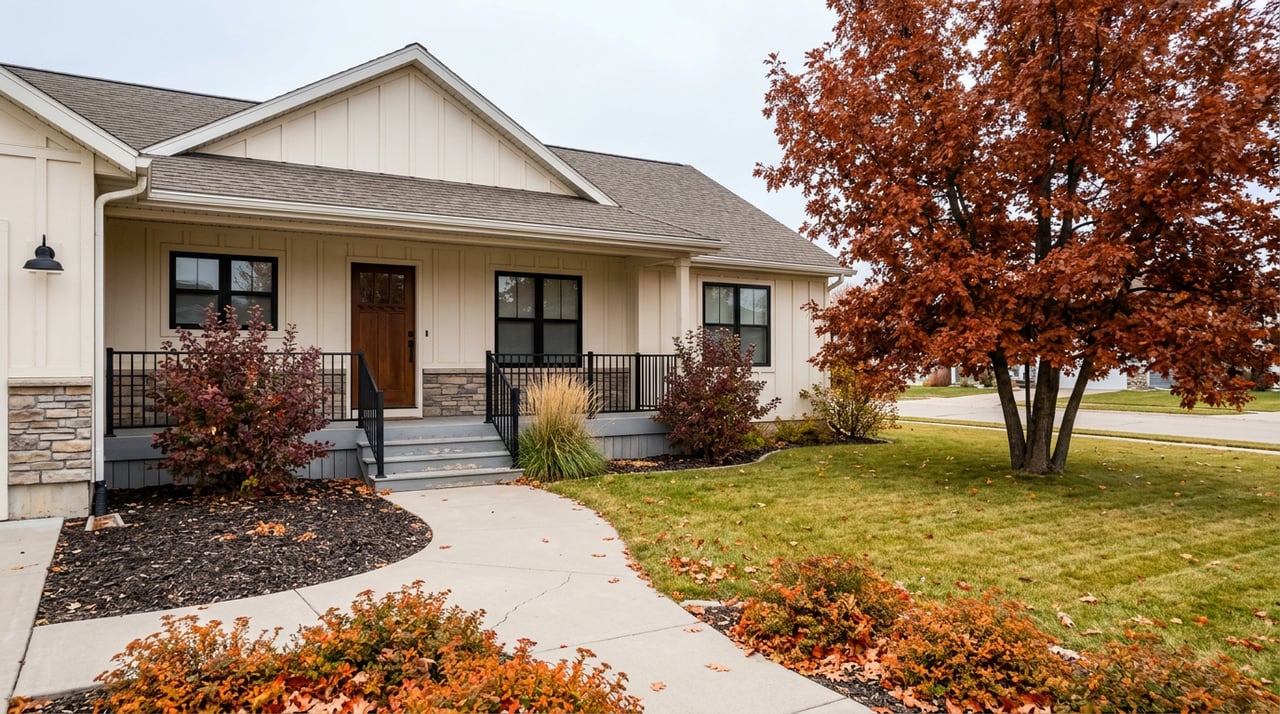
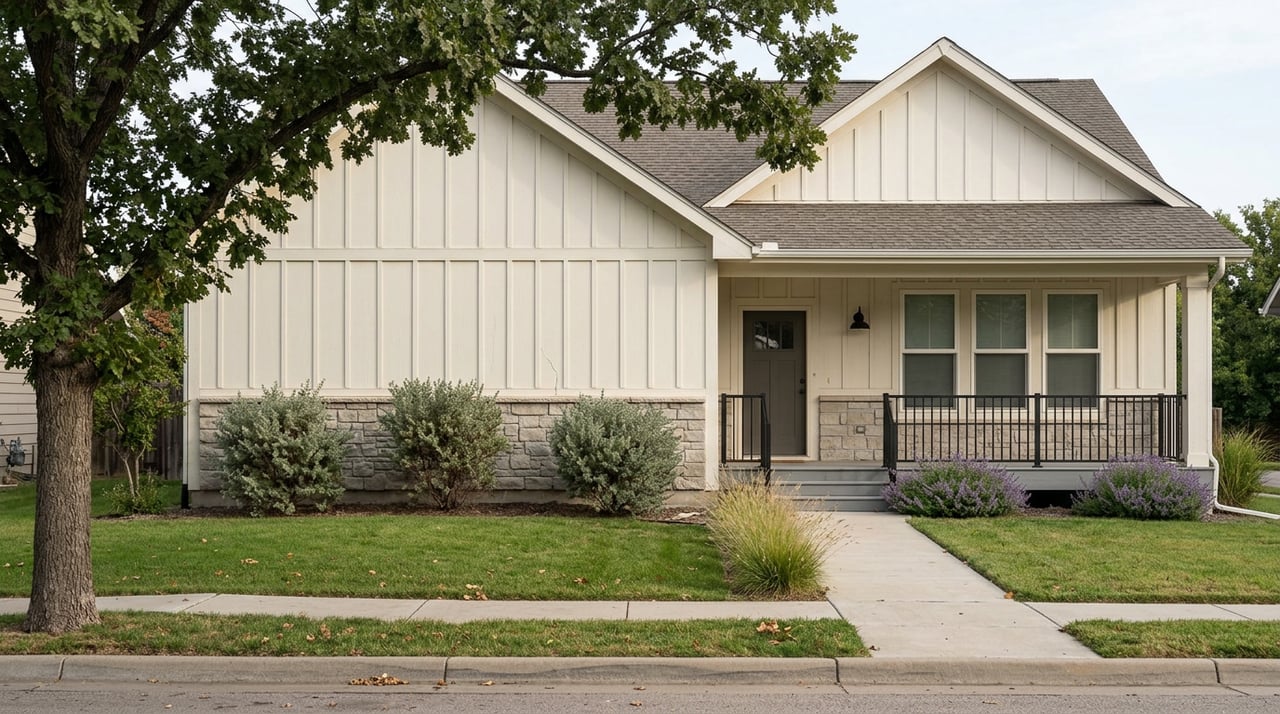
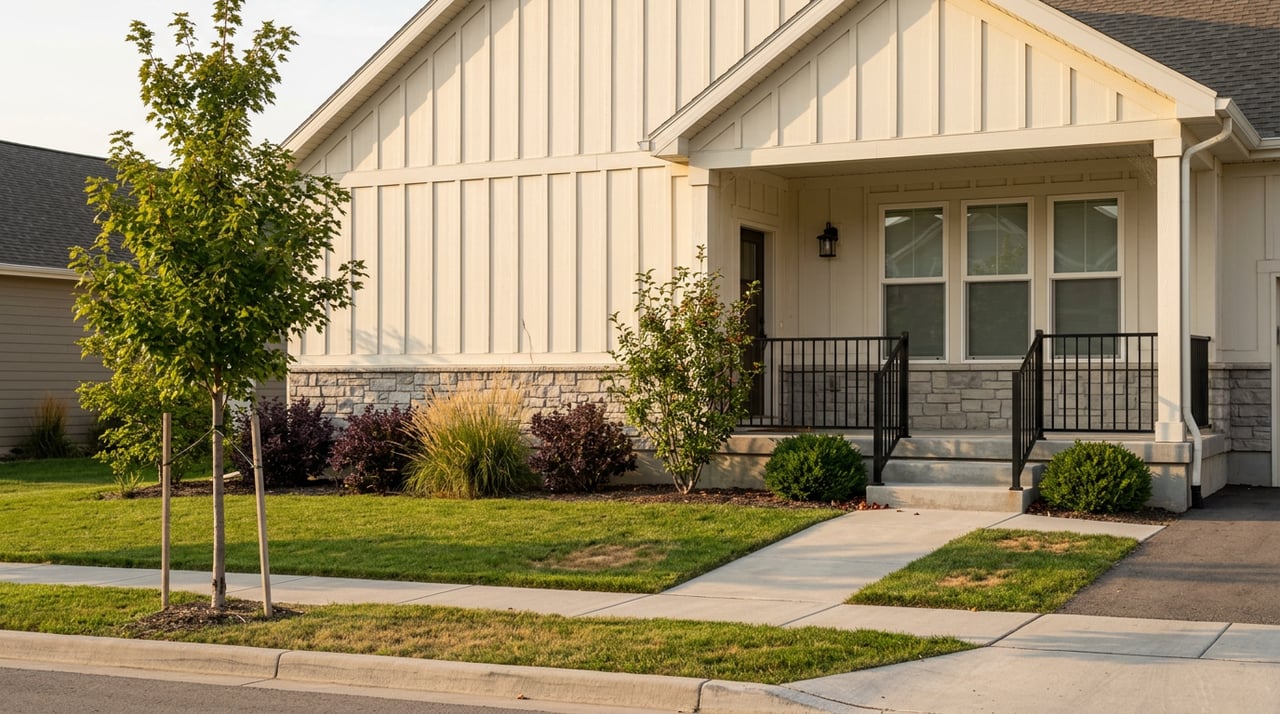
Newer Louisville neighborhoods often appeal to buyers who want a more modern floor plan and finishes. In North End, for example, a 2008 detached home features an open layout, a main-level primary suite, and outdoor spaces oriented to trails and open space.
You will also find more attached housing in newer areas. Current listings in North End include condos around 1,100 square feet with HOA dues and features like secure buildings or private garages. In North Louisville and Steel Ranch, townhome options can include attached parking, large kitchen islands, and more updated interior materials.
Price differences to know
Price is another major factor when comparing Old Town to newer Louisville neighborhoods. As of March 2026, Old Town’s median sale price was $1.25 million, while Redfin described the market as somewhat competitive.
That is notably higher than some newer Louisville pockets. In the same period, North End had a median sale price of $559,000, and North Louisville had a median sale price of $733,750.
That said, newer does not automatically mean lower-priced. Product type matters quite a bit. In North End, one condo listing was around $459,000, while a newer detached home was listed at $1.275 million, showing how a single neighborhood can offer very different entry points.
Walkability and daily lifestyle
Old Town offers the most immediate walkability
If your ideal day includes walking to coffee, dinner, or local events, Old Town usually has the edge. Downtown Louisville has a Walk Score of 82, and the city describes it as pedestrian-focused.
That matters in everyday life. Living in or near Old Town can mean easier access to restaurants, shops, and community events without needing to plan every trip around a car.
Newer neighborhoods support active living differently
Newer neighborhoods can still offer strong lifestyle appeal, but the experience is often more trail- and bike-oriented than downtown-centered. Louisville reports about 32 miles of trails across town, and its open-space system covers roughly 2,000 acres, with trail connections linking neighborhoods, commercial areas, and open spaces.
In practical terms, that means a newer neighborhood may feel less walkable to the historic core on a block-by-block basis, yet still support an active routine. Listings in North End and North Louisville highlight proximity to trails, lakes, bus service, grocery options, and a reasonable bike ride or longer walk to Historic Downtown Louisville.
How zoning shapes the feel
One reason these areas feel so different comes down to local planning. Old Town has more prescriptive rules that guide building form and neighborhood scale, helping maintain its historic identity.
Most newer subdivisions, by contrast, are regulated through Planned Unit Development overlays. That framework allows more flexibility in layout and housing mix, which is part of why newer Louisville can offer condos, townhomes, and detached homes within the same broader area.
The city’s redevelopment efforts also reinforce this pattern. Downtown East Louisville adds new retail and 180 housing units, while planning along Highway 42 envisioned mixed-use, transit-oriented redevelopment with medium- to high-density residential projects while preserving existing neighborhoods.
Which option fits your goals?
Old Town may fit you if you want:
- Historic character and a more established setting
- The easiest walkability to Downtown Louisville amenities
- More architectural variety from block to block
- A neighborhood feel shaped by local preservation-minded standards
A newer Louisville neighborhood may fit you if you want:
- Contemporary layouts and finishes
- More low-maintenance options, including condos or townhomes
- Features like attached garages or HOA-managed upkeep
- A wider range of housing types and price points
What buyers should keep in mind
The right choice often comes down to how you want your days to feel. If you picture yourself stepping out the door and quickly reaching cafés, restaurants, and the energy of downtown, Old Town may be the better match.
If you care more about modern design, easier upkeep, and a broader range of home styles, a newer neighborhood may offer better value for your priorities. That can be especially important if you want flexibility in price point, layout, or maintenance level.
There is no one-size-fits-all answer in Louisville. The strongest move is to compare homes not just by square footage or list price, but by how each neighborhood supports your routine, budget, and long-term plans.
If you are weighing Old Town Louisville against newer neighborhoods and want local guidance tailored to your goals, Ryan Retaleato can help you compare the market with a calm, neighborhood-first approach.
FAQs
What is the main difference between Old Town Louisville and newer Louisville neighborhoods?
- Old Town generally offers more historic character, varied architecture, and the closest walkability to Downtown Louisville, while newer neighborhoods tend to offer more contemporary homes, a broader mix of housing types, and more low-maintenance options.
Are homes in Old Town Louisville more expensive than homes in newer Louisville neighborhoods?
- As of March 2026, Old Town’s median sale price was $1.25 million, compared with $559,000 in North End and $733,750 in North Louisville, although prices in newer neighborhoods can vary a lot by home type.
Is Old Town Louisville more walkable than newer neighborhoods?
- In most cases, yes. Downtown Louisville has a Walk Score of 82 and is designed as a pedestrian-focused district, so Old Town usually provides the easiest access to shops, restaurants, and events on foot.
Do newer Louisville neighborhoods still offer access to trails and amenities?
- Yes. Louisville has about 32 miles of trails and roughly 2,000 acres of open space, and listings in newer areas such as North End and North Louisville often highlight access to trails, lakes, transit, and nearby services.
What types of homes are common in newer Louisville neighborhoods?
- Newer neighborhoods often include a wider mix of housing, such as condos, townhomes, and detached homes with modern layouts, attached garages, and more current finishes.
How should you choose between Old Town and a newer Louisville neighborhood?
- Focus on your daily lifestyle, maintenance preferences, desired home style, and budget. Old Town often appeals to buyers seeking character and walkability, while newer neighborhoods often appeal to buyers looking for modern design and more housing variety.