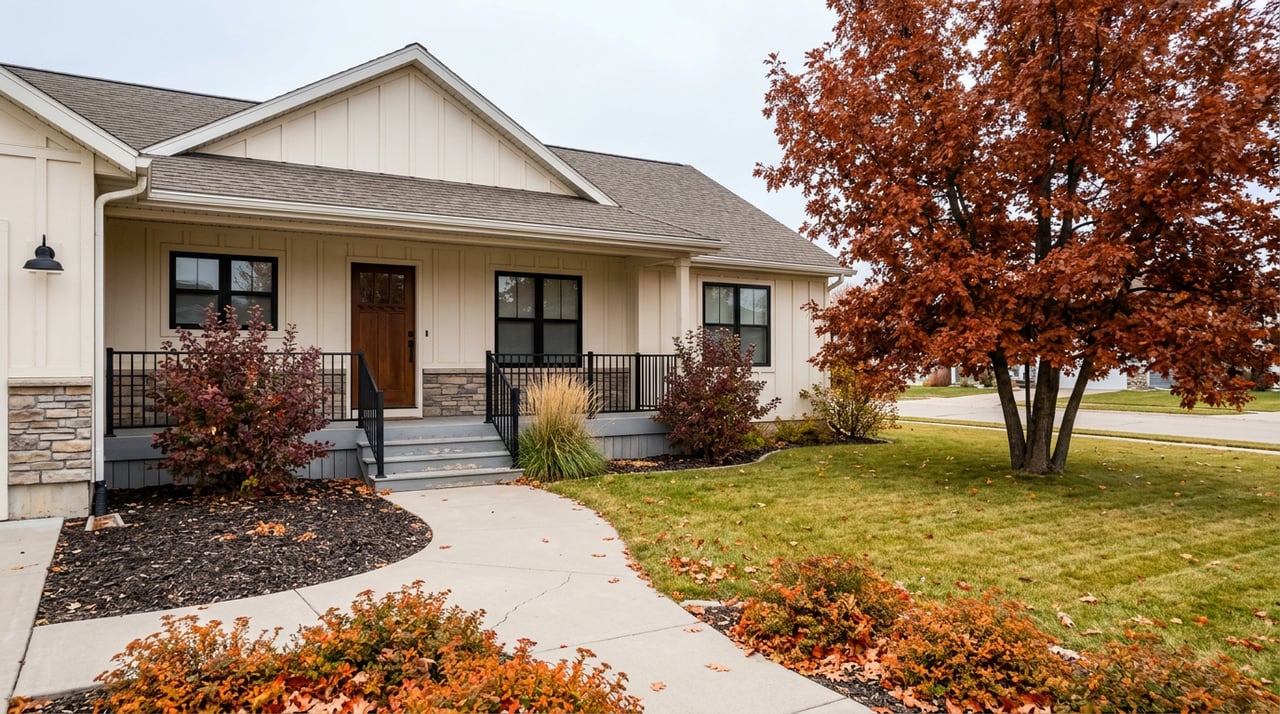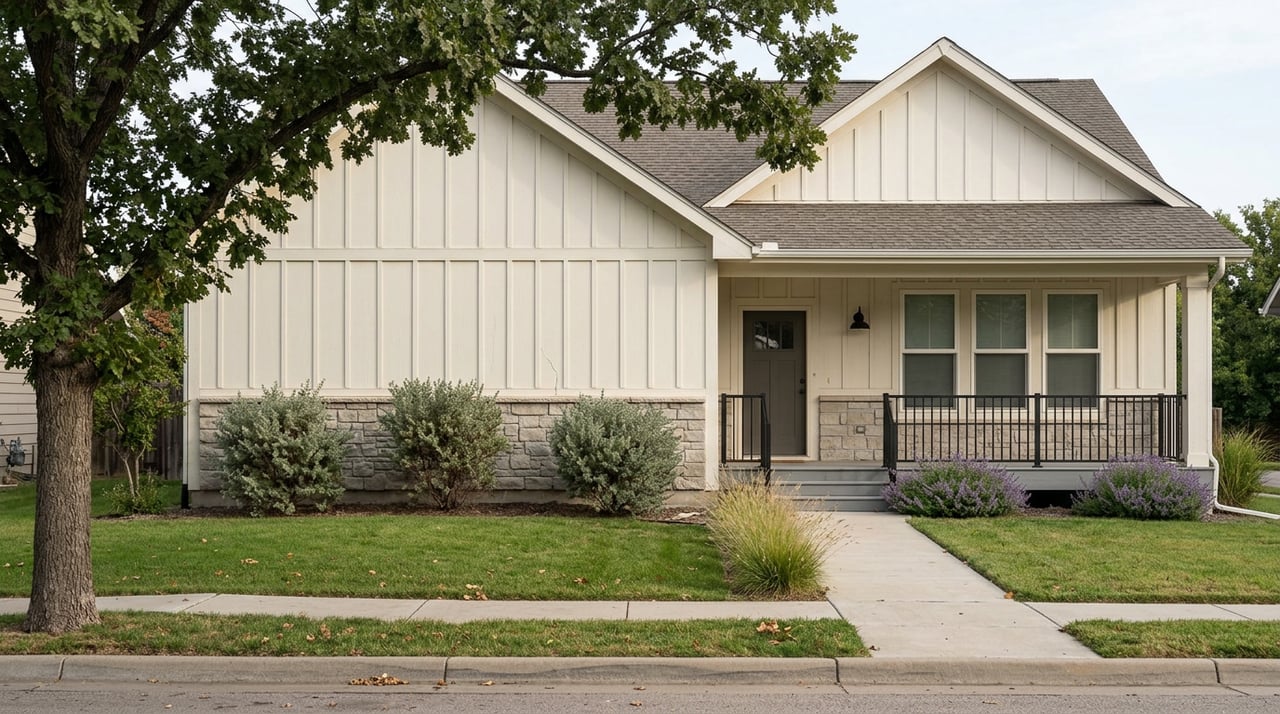
Thinking about selling your current home so you can move into something larger in Central Denver? That next step can feel exciting, but it also comes with real pressure. You want to sell well, buy wisely, and keep the timing from turning into chaos. This guide walks you through how to price, prepare, and plan your move with more confidence in today’s Central Denver market. Let’s dive in.
Why Central Denver Needs a Smart Plan
If you own a condo, townhome, duplex, or smaller detached home in Central Denver, your move-up strategy should reflect the housing stock around you. In Denver overall, housing is mixed, with detached homes, attached homes, and a large share of multi-unit properties all competing for attention. In the East Central Area, neighborhoods like Capitol Hill, Cheesman Park, City Park, City Park West, Congress Park, and North Capitol Hill include many older and denser housing types that often compete on location, character, and condition as much as square footage, according to the East Central Area Plan.
That matters if you are moving up from a smaller property. Buyers in Central Denver often compare several home styles at once, from historic condos to duplexes to compact single-family homes. Your listing plan needs to show why your home stands out and how it fits what buyers are looking for right now.
What the Denver Market Means for Sellers
The Denver metro market has become more balanced, which changes the conversation for move-up sellers. As of March 2026, there were 3,677 closed listings, median closed price was $589,000, active listings represented about 12 weeks of inventory, and median Days in MLS was 18, based on the latest REcolorado market report.
For you, that means a strong listing can still perform well, but success is less automatic than it was in a tighter market. Strategic pricing, thoughtful prep, and polished marketing all matter more when buyers have more options.
It is also important to understand that property type affects timing. In January 2026, attached homes had a median closed price of $420,000 and median Days in MLS of 64, while detached single-family homes had a median closed price of $615,000 and median Days in MLS of 53, according to REcolorado’s January 2026 housing data.
If you own a townhome or condo, your timeline may look different from a detached seller’s timeline. That does not mean your home is less marketable. It means your pricing and launch strategy should be tailored to your property type and likely buyer pool.
Timing Your Sale Around the Next Purchase
One of the biggest move-up questions is simple: should you sell first or buy first? In many cases, the Consumer Financial Protection Bureau notes that homeowners usually try to sell their current home before buying another one.
That approach can reduce financial strain and help you understand exactly how much cash you will have for your next purchase. It can also make your home search more focused because you are working from real numbers rather than rough estimates.
Still, your timing matters. January 2026 showed median Days in MLS of 56 across the market, while March 2026 dropped to 18. That seasonal contrast suggests preparation can make a major difference if you want to launch into a stronger spring window, especially in Central Denver where presentation can have a big impact.
Know Your Real Net Proceeds
Before you browse larger homes, get clear on your likely net proceeds. The CFPB defines home equity as your home’s value minus your mortgage balance. That is a useful starting point, but it is not the same as the amount of cash you will actually have after closing.
Your true net proceeds need to account for:
- Your mortgage payoff
- Selling costs
- Any repair or prep expenses
- Potential moving costs
- Cash you want to reserve for the next purchase
That last point matters more than many sellers expect. The CFPB also notes that closing costs on a purchase often run about 2% to 5% of the purchase price, and ongoing ownership costs may include taxes, insurance, HOA fees, repairs, and utilities, as outlined in its mortgage readiness guidance.
If you are moving from a condo or townhome into another property with HOA dues, that should stay part of your budget conversation. And if you are hoping to put 20% down on the next home to help avoid mortgage insurance, your sale strategy needs to support that goal.
Selling First vs Buying First
There is no one-size-fits-all answer, but there are clear tradeoffs.
When selling first makes sense
Selling first may be the cleaner option if you want certainty around your budget. Once your home is under contract or sold, you can make decisions about your next home with a clearer view of your available funds and monthly comfort level.
This route can also reduce the risk of carrying two housing payments at once. For many move-up sellers, that peace of mind is worth the inconvenience of temporary housing or a tighter move timeline.
When buying first may be worth exploring
Buying first can make sense if you need flexibility or want to avoid moving twice. In a market where the right next home may appear and move quickly, some sellers choose to line up financing options before their current home sells.
The CFPB notes that once a seller accepts an offer, buyers may have only a couple of days to finalize financing steps. That is why preapproval and early financing conversations matter if you want your move-up plan to stay competitive.
Understanding Bridge Financing and Equity Options
If you need to buy before selling, you may hear terms like bridge loan, HELOC, or home equity loan. These are not interchangeable, and each comes with different risks.
What a bridge loan does
A bridge or swing loan can help cover the gap between buying your next home and selling your current one. Fannie Mae guidance allows bridge loans as an acceptable source of funds in certain situations, provided the loan is not cross-collateralized against the new property and the lender documents your ability to carry the current home, the new home, the bridge loan, and your other obligations.
That can be useful, but it also raises the importance of careful planning. A bridge strategy should be reviewed closely with your lender so you understand both qualification standards and payment exposure.
What a HELOC or home equity loan does
The CFPB explains that a HELOC is an open-end line of credit that lets you borrow against your home equity as needed. A home equity loan, by contrast, is typically a lump-sum loan secured by the home.
Both can provide access to equity, but both also put your home at risk if you cannot repay. If you are considering either option to support a move-up purchase, the decision should be based on a full budget review, not just your estimated sale price.
How to Position a Central Denver Listing
In Central Denver, presentation is rarely just about making a home look nice. It is about showing buyers how the property fits their lifestyle and why it stands out in a market with many different housing choices.
This is especially true in areas with older housing stock and multi-unit buildings. In Capitol Hill, for example, the East Central Area Plan PDF describes a built environment with many multi-unit apartment buildings dating from 1873 to 1925. In settings like that, buyers often compare homes based on condition, layout, light, updates, and how well the property has been presented.
For move-up sellers, that usually means focusing on:
- Clean, market-ready condition
- Pricing that reflects current competition
- Professional photography
- Thoughtful staging
- A launch plan timed to buyer demand
A polished, white-glove listing strategy can help your home compete more effectively, especially when buyers are choosing between several attached or smaller urban homes.
A Simple Move-Up Seller Checklist
If you want a practical starting point, here is where to focus first:
- Estimate your equity using your current loan balance and likely sale range.
- Calculate net proceeds after mortgage payoff, selling costs, and purchase-side cash needs.
- Talk to a lender early about preapproval and any bridge financing or equity-access options.
- Decide on timing based on your comfort with selling first or buying first.
- Prepare your home for market with repairs, staging, and professional marketing.
- Price for today’s market rather than last year’s headlines.
- Coordinate both transactions so your listing plan supports your next purchase, not just your sale.
Why Coordination Matters Most
A move-up sale is really two transactions tied together. If you focus only on your listing price, you can miss the bigger picture. The better question is whether your sale gives you the timing, flexibility, and cash position you need for the next home.
That is why many Central Denver sellers benefit from a plan that combines neighborhood context, current market data, and clear transaction coordination. When your pricing, prep, and financing conversations all support the same goal, the move feels more manageable.
If you are thinking about selling your condo, townhome, or smaller home in Central Denver and moving into your next property, working with a calm, strategic guide can make the process far less stressful. If you want help mapping out timing, pricing, presentation, and next-step options, connect with Ryan Retaleato for a personalized valuation and consultation.
FAQs
What does a move-up seller in Central Denver need to know before listing?
- You should know your likely net proceeds, understand current market timing, and create a plan for both selling your current home and buying your next one.
How is the Central Denver market different for attached versus detached homes?
- REcolorado’s January 2026 data showed attached homes had a median closed price of $420,000 and median Days in MLS of 64, while detached homes had a median closed price of $615,000 and median Days in MLS of 53.
Should a Central Denver homeowner sell first or buy first when moving up?
- Many homeowners sell first to clarify their budget and reduce financial strain, but buying first may be worth exploring if you have strong financing and need more flexibility.
What is the difference between a HELOC and a bridge loan for a move-up purchase?
- A HELOC is a revolving line of credit secured by your home equity, while a bridge loan is short-term financing designed to help cover the gap between buying a new home and selling your current one.
Why does listing preparation matter so much in Central Denver neighborhoods?
- In Central Denver, many buyers compare condos, townhomes, duplexes, and smaller detached homes at the same time, so pricing, condition, staging, and marketing can strongly influence how your home performs.