If you live or plan to buy near an Arvada creek, you have one extra box to check: flood insurance. Flood maps and local projects can change what a lender requires and what you pay, so a little homework up front goes a long way. In this guide, you’ll learn how Arvada’s flood zones work, what NFIP and private policies cover, how discounts apply, and the steps to take before closing. Let’s dive in.
Arvada flood risk at a glance
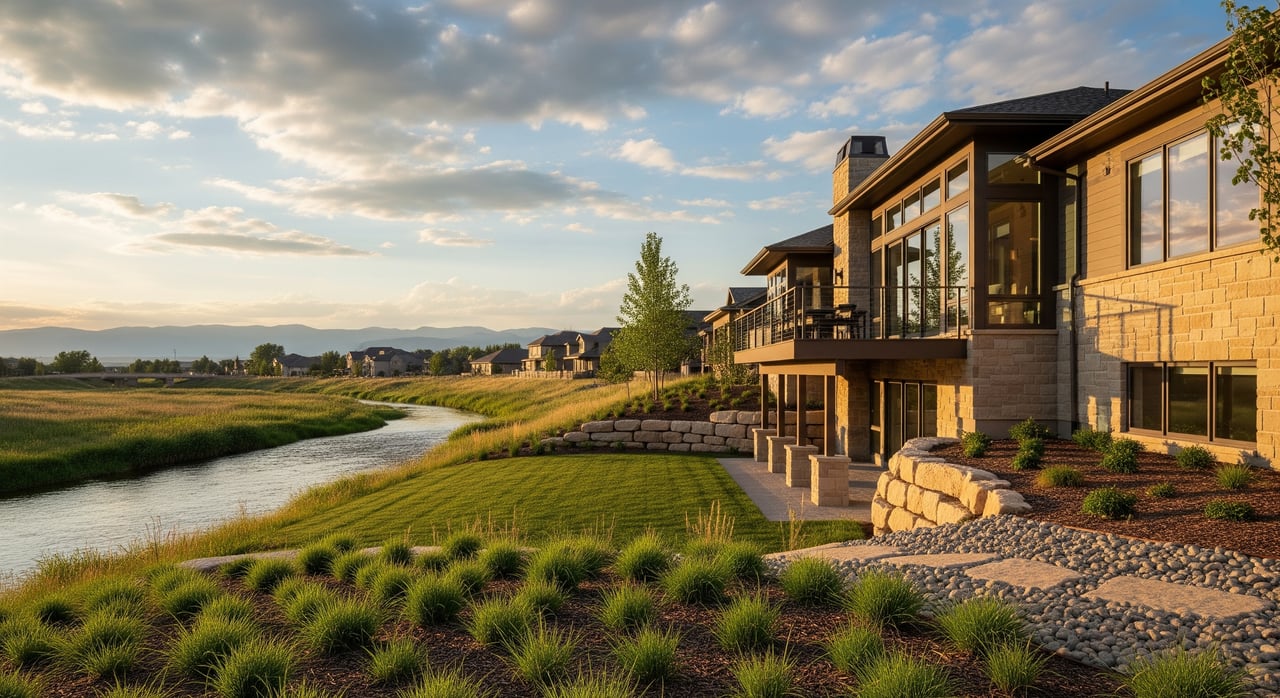
Arvada’s mapped Special Flood Hazard Areas are concentrated along creek corridors, including Ralston, Leyden, Van Bibber, Big Dry, Little Dry, and Clear Creek. City planning notes identify these areas as where most local properties intersect mapped flood risk. You can review the city’s context and mapping work through its program updates for residents and property owners on the City of Arvada’s flood insurance pages.
How floods happen here
Along the Front Range, typical flood types include flash flooding from intense summer storms, urban overland flow when drains are overwhelmed, and channelized flooding along creeks. Local context for Ralston Creek and nearby reaches appears in the U.S. Army Corps of Engineers study overview.
Maps that drive insurance
FEMA’s Flood Insurance Rate Maps determine whether a property sits inside a Special Flood Hazard Area and whether a federally regulated lender will require flood insurance. You can learn how to view official panels and supporting documents at FEMA’s Flood Map Service Center.
Arvada and its partners continue to refine local studies that can lead to map changes. The City’s progress notes identify a Flood Hazard Area Delineation for Ralston Creek scheduled to begin in 2025, and other corridors are on the regional priority list. You can see those program updates in Arvada’s CRS activity report summary and learn about the federal Ralston Creek Flood Risk Management study.
NFIP essentials for Arvada homes
The National Flood Insurance Program provides federal flood policies sold through insurance agents. For most one-to-four family homes, typical limits are up to $250,000 for the building and up to $100,000 for contents. New NFIP policies usually have a 30-day waiting period before coverage starts. See Colorado’s consumer guidance on requirements and timing in the state’s NFIP FAQ.
If your building lies in an SFHA and your mortgage is from a federally regulated or insured lender, flood insurance is required. Lenders make the determination using the effective FEMA map panels.
What is and is not covered
NFIP building coverage includes the structure, electrical and plumbing systems, and built-in equipment. Contents coverage is separate. Coverage for basements is limited, and many finished basement elements or stored items are not covered. For itemized inclusions and exclusions, review the NFIP coverage reference.
Private flood options
Private flood insurers may offer higher limits, optional coverages like additional living expense, and different underwriting that can lower premiums for some properties. Terms and availability vary by carrier, so it is smart to compare quotes from NFIP and private carriers. You can explore market differences through resources like private flood insurance overviews.
Discounts available in Arvada
Arvada participates in FEMA’s Community Rating System and holds a Class 5 rating. For eligible NFIP policies, that CRS class typically results in a 25% premium discount in qualifying hazard areas. Learn more on the City of Arvada’s flood insurance page.
Elevation, LOMA, and map changes
If you believe your building sits above the mapped Base Flood Elevation, a Letter of Map Amendment is one path to correct the record. You will need an Elevation Certificate prepared by a licensed surveyor or engineer. FEMA explains the steps and submittals for LOMA and LOMR processes in its Online LOMC guidance, and you can learn about Elevation Certificates here: what an Elevation Certificate includes.
Buyer and seller checklist
- Verify the mapped flood zone early. Ask for the lender’s flood determination and compare it to the effective FEMA panel using the FEMA map viewer how-to.
- Ask the seller for any Elevation Certificate. If none exists, consider obtaining one from a licensed surveyor because it can influence pricing and LOMA eligibility.
- Get quotes from both NFIP and private insurers. Compare limits, exclusions, deductibles, and waiting periods. Buy early so coverage is in place well before closing.
- If mapping appears to place the structure in an SFHA but site grades suggest otherwise, talk with a surveyor and the City about a potential LOMA.
- Plan simple mitigation: elevate utilities, install backflow valves, use flood-resistant materials at lower levels, and direct surface water away from the foundation. Check Arvada’s permit requirements before work.
Local contacts and tools
Start with the City of Arvada’s Engineering Division resources, including mapping links, CRS information, and permit guidance, on the Flood Insurance page. For regionwide study and map revision context, see the Mile High Flood District’s updates for Jefferson County and Arvada on current PMR work.
How we support your move
You should not have to navigate flood zones alone. We coordinate with your lender, insurance agent, and a vetted surveyor to confirm map status, line up coverage, and protect your closing timeline. If mitigation or permits make sense, we connect you with local pros and keep the process moving.
Have questions about a specific address along Ralston, Van Bibber, or another corridor? Reach out to Ryan Retaleato for calm, data-forward guidance tailored to your goals.
FAQs
Do Arvada creek corridor homes require flood insurance?
- If the structure is in a mapped Special Flood Hazard Area and you have a federally regulated or insured mortgage, your lender will require flood insurance.
How do I check if my Arvada property is in a flood zone?
- Review the effective FEMA map panels through the Flood Map Service Center, and ask your lender for their written flood zone determination for your address.
What is the NFIP waiting period for new policies?
- Most new NFIP policies begin coverage after a 30-day waiting period, so plan ahead of closing or peak storm season.
Can I lower my flood insurance premium in Arvada?
- You may qualify for a CRS discount through the City, and an Elevation Certificate or mitigation improvements can also influence pricing and options.
Will NFIP cover damage to my finished basement?
- NFIP has limited coverage for basements; many finished elements and stored items below grade are not covered under standard terms.
What projects could change flood maps near Ralston Creek?
- The City and federal partners are studying Ralston Creek and other corridors; new studies can lead to map updates that change insurance requirements.